


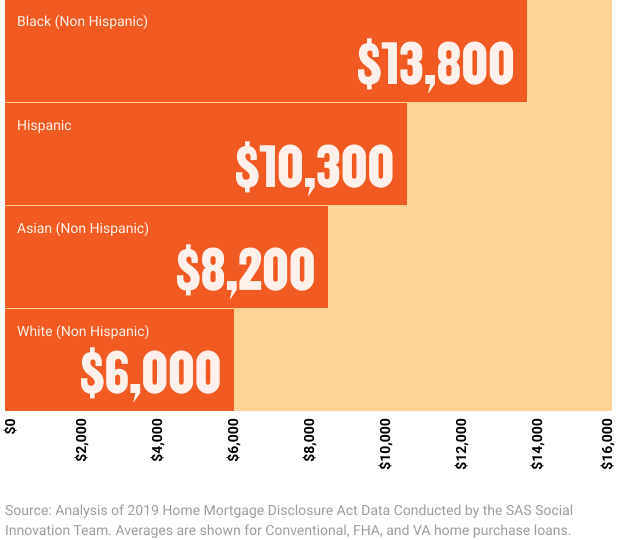
On average, Black homebuyers paid $7,000 more in closing costs than white homebuyers in New York City. That discrepancy cannot be explained by differences in lending products; the pattern holds true among both conventional mortgage borrowers and those with Federal Housing Administration (FHA) mortgage loans (federally-insured loans originated by approved lenders).
Because of the racial wealth gap, Black homebuyers also have lower starting down payments, on average, when they purchase. That, in combination with higher closing costs, means Black home buyers begin homeownership with considerably fewer financial assets than homeowners of other races.
Eighty percent of the homeowners we interviewed cited home repairs as one of their major challenges. They also said they had faced unexpected repair needs when they moved in, and wished they had done more thorough home inspections before buying. Finally, they said they struggled to find reliable contractors to do repairs.
While the homeowners we spoke to said tenant income was crucial to paying their mortgages, they also said they struggled to find and manage their tenants and rental units. Homeowners spoke about non-paying tenants, issues with City and federal vouchers, and with damage to their units.
Even homeowners who attended pre-purchase classes wanted more guidance, particularly about different kinds of financial products. Homeowners also wished they had known more about housing expenses aside from their mortgage payments, such as property taxes.
While most of the homeowners we interviewed did not share that they had experienced discrimination because they were Black, many female homeowners said they found it difficult to work with brokers, contractors, or real estate professionals because they were women.
While pre-purchase counseling classes continue to be popular, counselors say very few homeowners are able to purchase because of the city's high prices.
Counselors shared that successful home buyers often had to go outside their neighborhoods to find a home they could afford.
Pre-purchase counselors try to match homebuyers with as many grants as possible, but their attempts are frustrated by limited funding for existing programs and varying eligibility and documentation requirements.
Counselors spoke about discrimination in the entire system and highlighted issues with transparency in applications for purchasing co-op units.
For example, a matched savings program would work well in combination with a down payment assistance program or a financial literacy program.
Strategically partnering with trusted community and culturally-specific organizations improves outreach to households that need it most and fosters trust in the process.
Low-income and minority households are skeptical of new financial products because of previous experiences with scams or predatory lending.
